AC Repair in Carmel, IN
Quick answer
When a Carmel system runs all afternoon without holding temperature, the cause often hides in airflow, a tired capacitor, or refrigerant lost through a slow leak. Two-story brick homes in the master-planned subdivisions make weak cooling obvious upstairs long before the main floor complains.
AC Repair in Carmel starts with the local read: large two story brick homes across the master planned subdivisions, older ranch and split level stock near the old center, townhome and condo stock in the village centers, and estate homes along the river and creek sides. The Cool Creek side of the service area and the city's cold winters, hot humid summers, and shoulder seasons that swing in a single week set the order of work, and the scope names that order in writing before anyone commits to a price.
How we approach this job
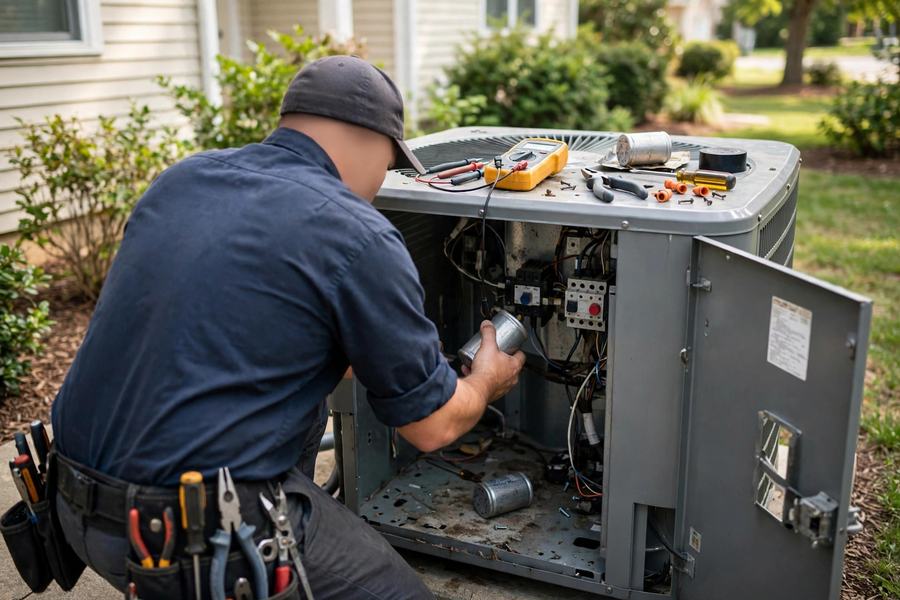
Diagnosis and insurance documentation: For ac repair in Carmel, the buying situation is a problem with a cause: find the real source, document it with photographs and readings for any claim, and only then price the fix.
Signs you need ac repair
- The AC runs but the house will not reach the set temperature. It usually means the system runs but cannot hold temperature, which separates into airflow, electrical, or refrigerant causes.
- Vents blow warm or barely cool air. It usually means a small starting part is failing under heat load.
- Ice on the refrigerant line or the indoor coil is frozen up. It usually means the condensate system is interrupting operation to protect the ceiling.
- The outside unit is not spinning, or buzzes and hums without starting. It usually means charge or a coil problem is suspected, and guessing at either wastes money.
What the job involves
What affects the price
- Component failed: capacitor and contactor at the low end, fan and blower motors higher, compressor at the top
- Refrigerant type and amount where a leak must be found and repaired before recharge
- System age, which decides whether a major repair is sound money
- Access: attic and rooftop air handlers price above closet and garage units
When it is an emergency
No cooling during a heat wave with infants, older adults, or medically fragile people in the house is a call now emergency, and you should say who is in the house on the call. No cooling in mild weather is a call today. Ice on the line: turn the system off and run the fan, because running a frozen coil can kill the compressor, and a thawed system is also faster to diagnose.
PLACEHOLDERAC Repair across the Carmel area
Related services
HVAC System Replacement
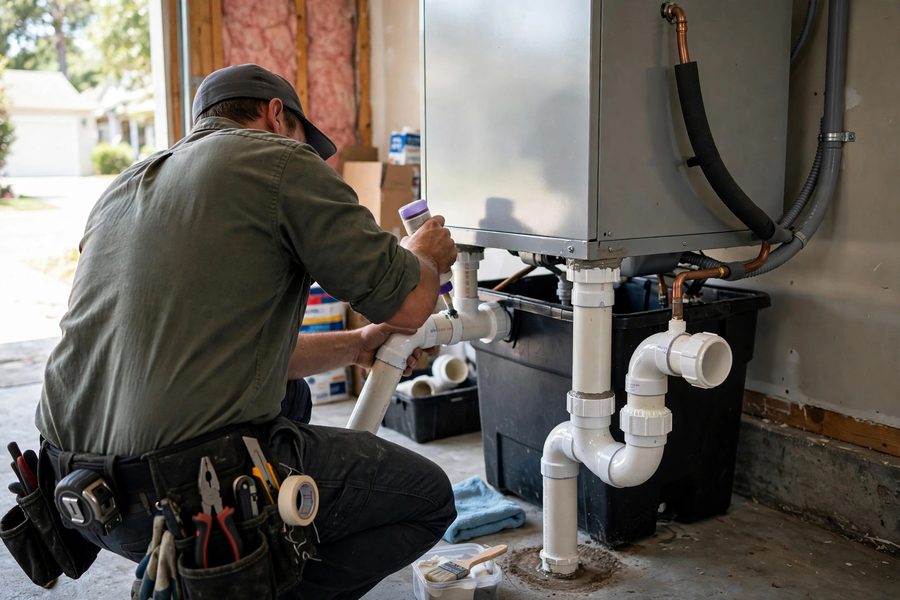
Replacement in Carmel should start with a load calculation matched to the actual house, not a like-for-like swap of whatever was installed when the subdivision was built. Ranch homes near the old center, creek-side estates, and large two-story plans each land at different sizes and duct needs.
Heat Pump Repair & Installation
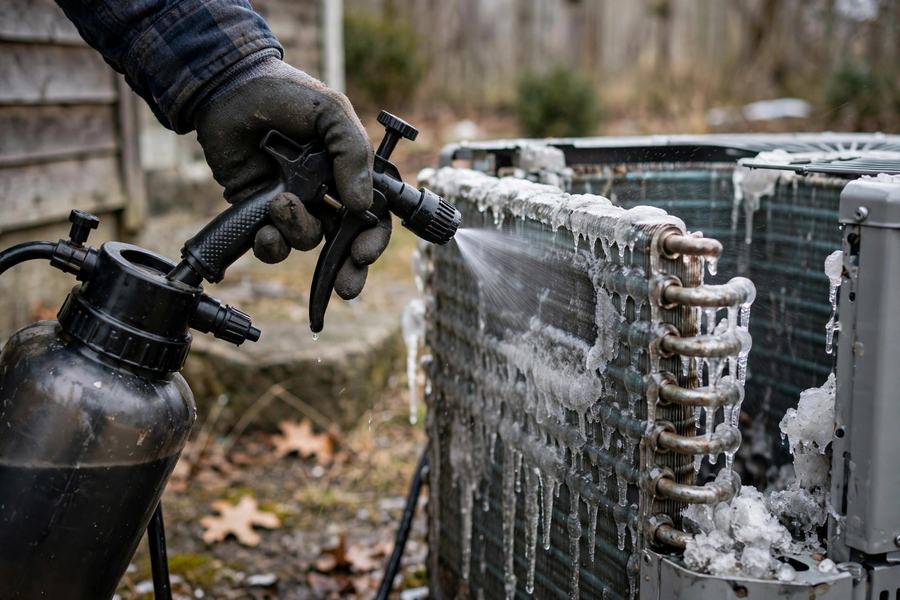
Heat pumps suit Hamilton County well for much of the year, paired in many homes with backup heat for the coldest weeks. Service visits check defrost behavior, refrigerant charge, and how often auxiliary heat runs, since that last item shows up quickly on winter bills.
Furnace & Heating Repair
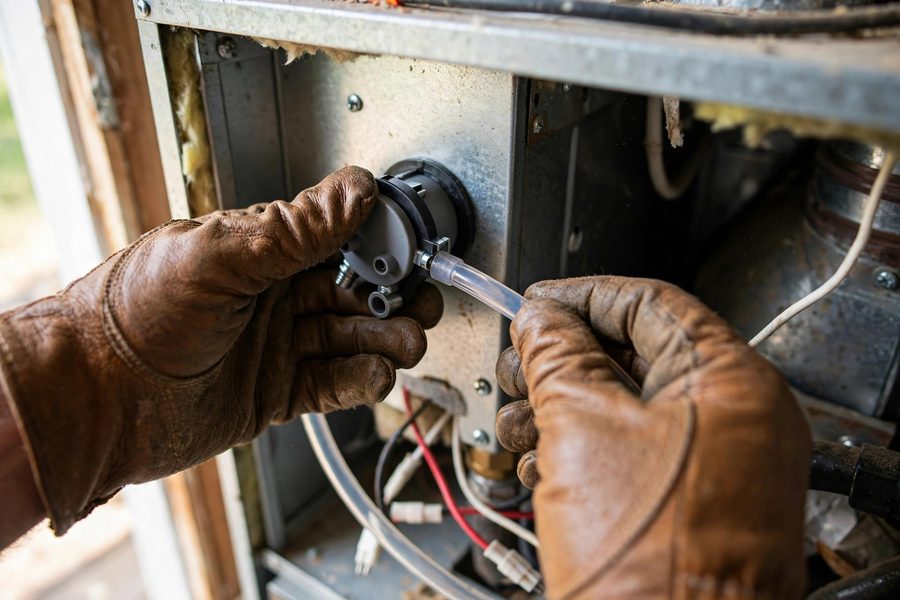
Cold Carmel winters give gas furnaces real work, unlike mild-climate units that sit idle for months. Igniters, flame sensors filmed with oxide, and inducer motors account for most no-heat calls, and each of those findings is a part-level repair rather than a new system.
Emergency HVAC Service
A no-cool call during a humid July stretch in a two-story home is different from a mild spring breakdown in a townhome. Urgent service triages by indoor temperature, who is in the house, and whether the failure is electrical, airflow, or refrigerant related before quoting a fix.
AC Repair questions, answered
When is ac repair an emergency?
No cooling during a heat wave with infants, older adults, or medically fragile people in the house is a call now emergency, and you should say who is in the house on the call. No cooling in mild weather is a call today. Ice on the line: turn the system off and run the fan, because running a frozen coil can kill the compressor, and a thawed system is also faster to diagnose.
What affects the price of ac repair in Carmel?
The main price factors for ac repair are covered in the cost section above. The contractor confirms the exact price in a written estimate after seeing the job, and nothing is owed until you approve it. The call and the referral are free.
My AC runs but will not cool the house. What are the usual causes in Carmel?
Start with the usual suspects, in the order technicians most often find them: a clogged filter or blocked airflow, a failed capacitor or fan part, low refrigerant from a leak, a coil frozen because of one of those problems, or ducts dumping cooled air into the attic. In Carmel's large two-story homes, weak upstairs cooling with a comfortable main floor also points to duct and return problems. Shut a frozen system off and run the fan to thaw it, and never approve a recharge without a leak search first.
My furnace clicks but will not start. What is failing?
A furnace lights in steps: the inducer proves venting, the igniter glows or sparks, the gas valve opens, and the flame sensor confirms flame. Clicking without heat means one step failed, most commonly a filmed flame sensor, a cracked igniter, or a weakening inducer motor, each a part-level repair. The thermostat is rarely the culprit. If you smell gas at any point in a Carmel home, leave, then call the gas utility or emergency services before calling for repair.
Repair or replace: my system is 15 years old. How do I decide?
Try the trade's rough arithmetic: multiply the repair quote by the system's age in years, and past about 5,000 replacement usually makes more sense. A $400 repair on a 15-year-old system gives 6,000 and sits near the line, while an $1,800 compressor on that same system gives 27,000 and sits well past it. Weigh refrigerant type, duct condition in your Carmel home, and whether this is a first major repair or a third. Expect both a repair price and a replacement price in writing.
Request a callback
Prefer to talk later? Leave your details and an independent local pro will call you back. No charge to you, no obligation.
Cool Creek Air is a free referral service. Submitting this form connects you with independent local contractors who provide the work.