Home · Services · HVAC System Replacement
HVAC System Replacement in Carmel, IN
Quick answer
Replacement in Carmel should start with a load calculation matched to the actual house, not a like-for-like swap of whatever was installed when the subdivision was built. Ranch homes near the old center, creek-side estates, and large two-story plans each land at different sizes and duct needs.
HVAC System Replacement in Carmel starts with the local read: large two story brick homes across the master planned subdivisions, older ranch and split level stock near the old center, townhome and condo stock in the village centers, and estate homes along the river and creek sides. The Cool Creek side of the service area and the city's cold winters, hot humid summers, and shoulder seasons that swing in a single week set the order of work, and the scope names that order in writing before anyone commits to a price.
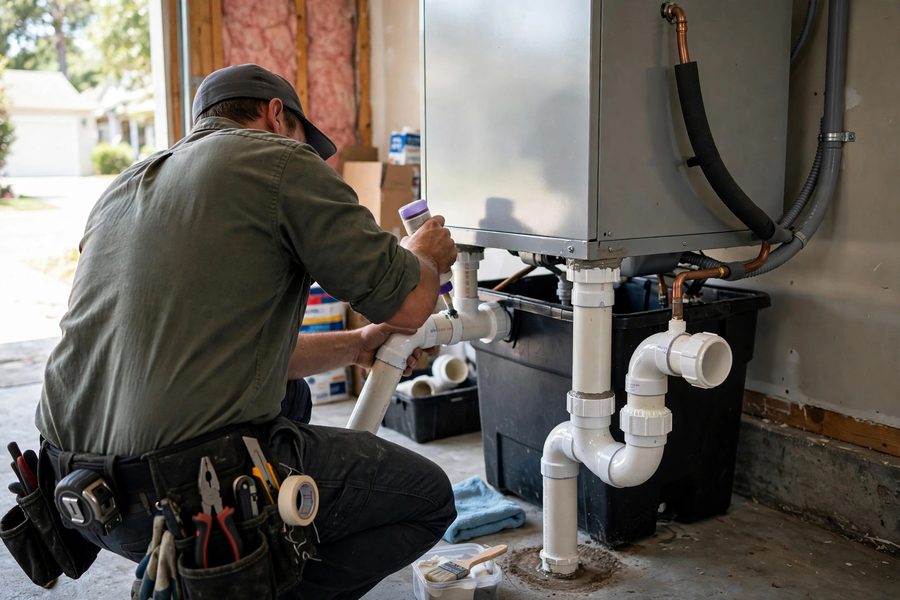
How we approach this job
Rebuild, permits, and service life: For hvac system replacement in Carmel, the buying situation is a long-life decision: permits, inspections, and cost per year of service matter more than the lowest first price.
Signs you need hvac system replacement
- Repairs have become an annual season of their own. It usually means the system no longer matches the home's load after renovations or additions.
- Rooms that never reach temperature in either season despite repairs. It usually means efficiency and reliability, not just today's failure, are the real purchase.
- A failed compressor or a cracked heat exchanger has ended the repair path. It usually means both are end of equipment findings; a cracked heat exchanger is also a carbon monoxide conversation that ends the debate.
- Energy bills that climb while comfort falls. It usually means the system is paying more to deliver less, the curve crossing that makes replacement arithmetic rather than salesmanship.
What the job involves
What affects the price
- System size and type (furnace and AC, heat pump, or packaged unit)
- Efficiency tier chosen, which moves equipment cost and operating cost in opposite directions
- Duct repair or replacement scope found at assessment
- Electrical, gas, and venting changes the new unit requires
When it is an emergency
Replacement is planned work, and the honest triggers are a dead major component on an older system, a safety finding like a cracked heat exchanger, or repair arithmetic that stops making sense. A system that dies in extreme weather gets emergency triage first and the replacement decision made warm or cool, not desperate.
PLACEHOLDERHVAC System Replacement across the Carmel area
Related services
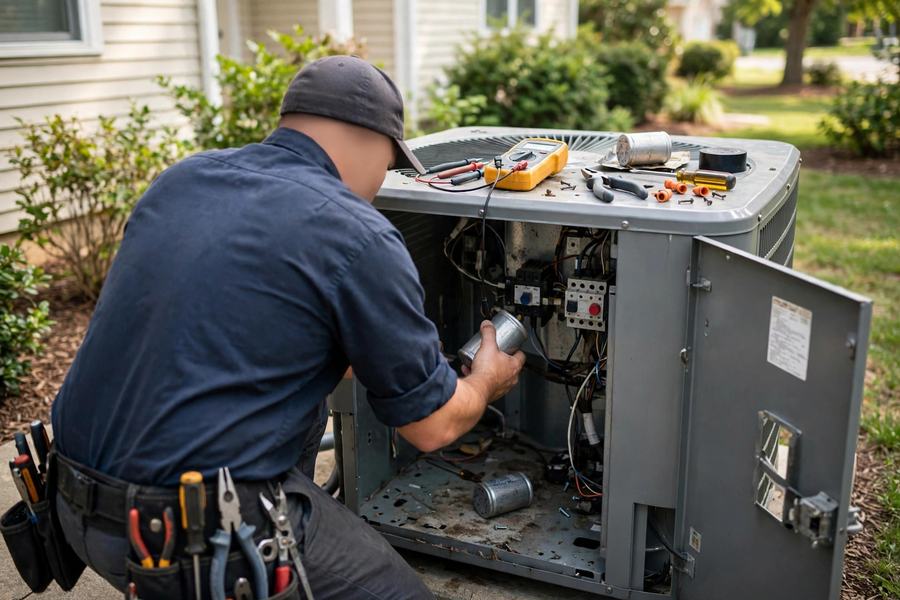
AC Repair
When a Carmel system runs all afternoon without holding temperature, the cause often hides in airflow, a tired capacitor, or refrigerant lost through a slow leak. Two-story brick homes in the master-planned subdivisions make weak cooling obvious upstairs long before the main floor complains.
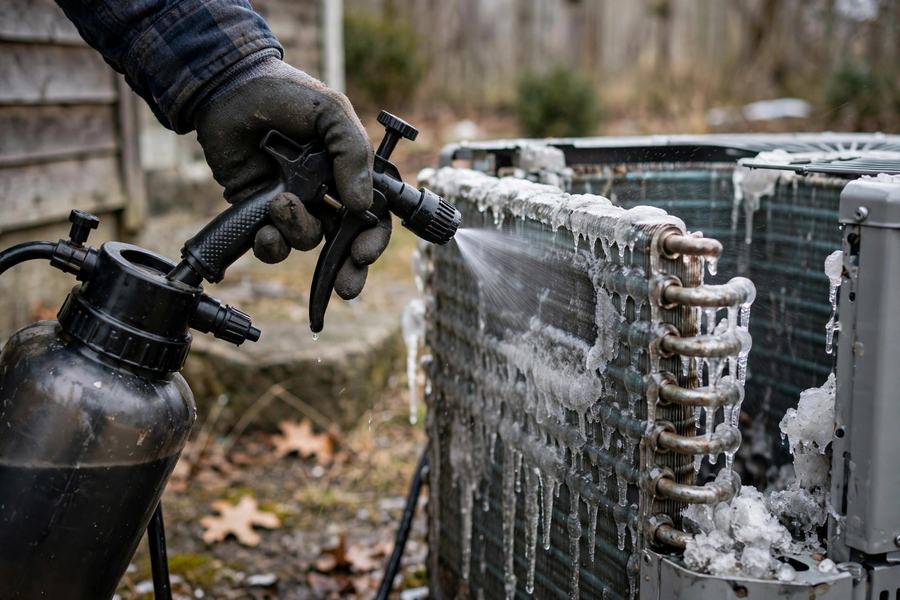
Heat Pump Repair & Installation
Heat pumps suit Hamilton County well for much of the year, paired in many homes with backup heat for the coldest weeks. Service visits check defrost behavior, refrigerant charge, and how often auxiliary heat runs, since that last item shows up quickly on winter bills.
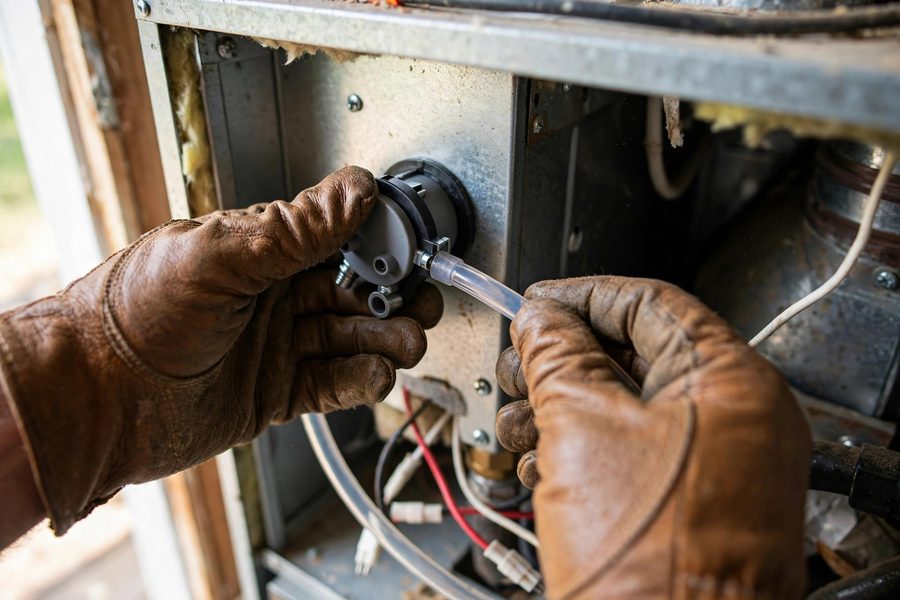
Furnace & Heating Repair
Cold Carmel winters give gas furnaces real work, unlike mild-climate units that sit idle for months. Igniters, flame sensors filmed with oxide, and inducer motors account for most no-heat calls, and each of those findings is a part-level repair rather than a new system.
Emergency HVAC Service
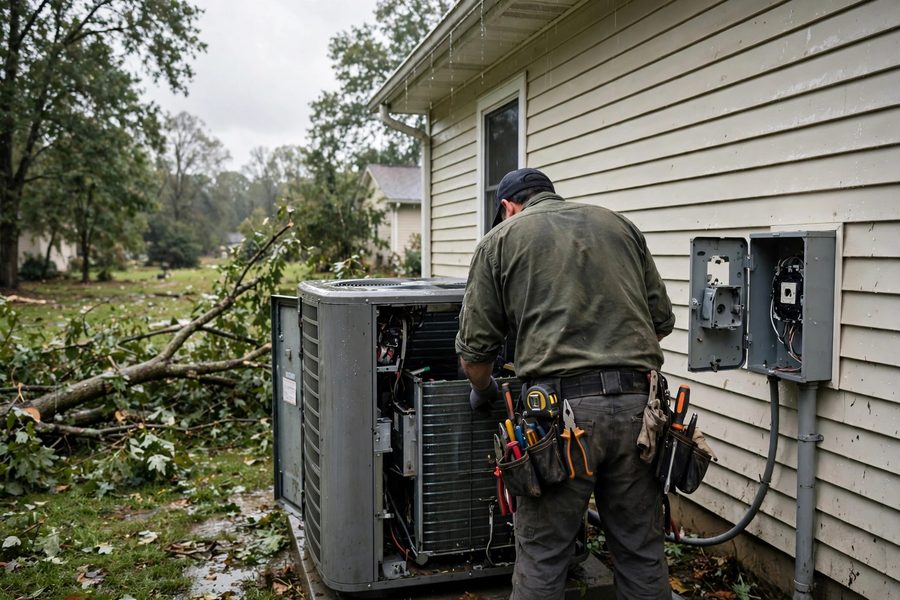
A no-cool call during a humid July stretch in a two-story home is different from a mild spring breakdown in a townhome. Urgent service triages by indoor temperature, who is in the house, and whether the failure is electrical, airflow, or refrigerant related before quoting a fix.
HVAC System Replacement questions, answered
When is hvac system replacement an emergency?
Replacement is planned work, and the honest triggers are a dead major component on an older system, a safety finding like a cracked heat exchanger, or repair arithmetic that stops making sense. A system that dies in extreme weather gets emergency triage first and the replacement decision made warm or cool, not desperate.
What affects the price of hvac system replacement in Carmel?
The main price factors for hvac system replacement are covered in the cost section above. The contractor confirms the exact price in a written estimate after seeing the job, and nothing is owed until you approve it. The call and the referral are free.
How much does a new HVAC system cost in Carmel?
Published national guides commonly place full system replacement between $5,000 and $12,500 or more installed, with size, efficiency, fuel type, and ductwork deciding where a Carmel house lands. Most single-component repairs fall between $150 and $650, and a diagnostic visit runs $75 to $200. A trustworthy quote separates equipment, duct corrections, and electrical or venting changes into their own lines, because duct work is where quotes for the same house can quietly differ by thousands.
There is ice on my AC line and the coil looks frozen. What now?
Switch cooling off and run the indoor fan only. Ice on the line signals a symptom, usually restricted airflow from a filter, blower, or blocked vents, or low refrigerant from a leak, and running a frozen system risks the compressor. Allow hours for a full thaw before testing, since readings taken on a frozen coil mislead. Do not chip ice off. If freezing returns after a fresh filter, the problem sits on the refrigerant or blower side and needs a diagnostic visit.
How often should HVAC be serviced, and when?
Plan one visit per function each year: cooling before humid summer weather settles in, heating before cold weather does, so most Carmel homes need one or two visits annually. The work that counts is basic: coils cleaned, condensate drain flushed so it cannot flood a ceiling, electrical components measured, and heating safety controls tested. Booking during shoulder seasons, when Hamilton County weather can swing within a single week, avoids the queue that forms after the first failure wave.
Request a callback
Prefer to talk later? Leave your details and an independent local pro will call you back. No charge to you, no obligation.
Cool Creek Air is a free referral service. Submitting this form connects you with independent local contractors who provide the work.