Home · Services · HVAC Tune-Up & Maintenance
HVAC Tune-Up & Maintenance in Carmel, IN
Quick answer
Seasonal service in Indiana means cooling checks before humid summer heat and heating checks before the first real cold snap. Useful visits clean coils, flush the condensate drain, test electrical parts against readings, and prove safety controls, ideally scheduled during calmer shoulder weeks.
HVAC Tune-Up & Maintenance in Carmel starts with the local read: large two story brick homes across the master planned subdivisions, older ranch and split level stock near the old center, townhome and condo stock in the village centers, and estate homes along the river and creek sides. The Cool Creek side of the service area and the city's cold winters, hot humid summers, and shoulder seasons that swing in a single week set the order of work, and the scope names that order in writing before anyone commits to a price.
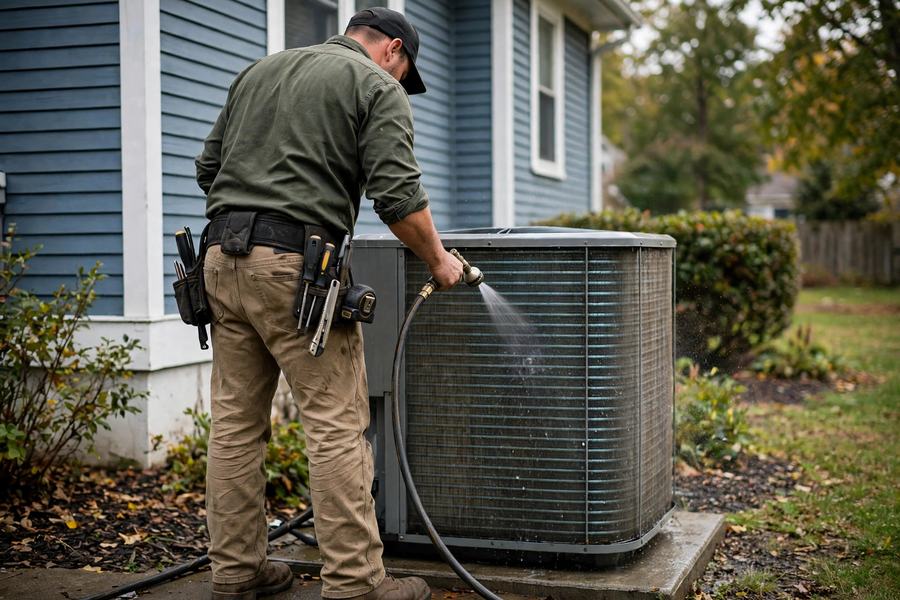
How we approach this job
Prevention economics: For hvac tune-up & maintenance in Carmel, the buying situation is timing: a planned, lower-cost visit now against an emergency visit later, priced honestly against each other.
Signs you need hvac tune-up & maintenance
- The first hot or cold week is a month or two away. It usually means the condensate path is loading toward an overflow.
- Bills crept up last season with no change in weather or use. It usually means readings now can price the equipment's remaining life honestly.
- The system is under a warranty or a home sale timeline that values service records. It usually means documented maintenance is evidence in warranty claims and a line item buyers actually pay for.
- Drain lines and pans have never been checked and the handler sits above finished space. It usually means an unchecked condensate line above finished rooms is a ceiling stain with a date on it; the tune up is where it gets found.
What the job involves
What affects the price
- One system versus multiple systems on the property
- Cooling only, heating only, or a combined seasonal visit
- Access: attic and rooftop units price above ground level equipment
- Findings that turn maintenance into a repair quote, always priced separately and never bundled silently
When it is an emergency
A tune up is planned work, best done in the shoulder weeks before the season turns, when schedules are open and findings can be acted on calmly. The exception is the condensate drain above finished space: if that pan or line has never been checked, the visit that clears it is cheap insurance against a ceiling, and it should not wait for a season boundary.
PLACEHOLDERHVAC Tune-Up & Maintenance across the Carmel area
Related services
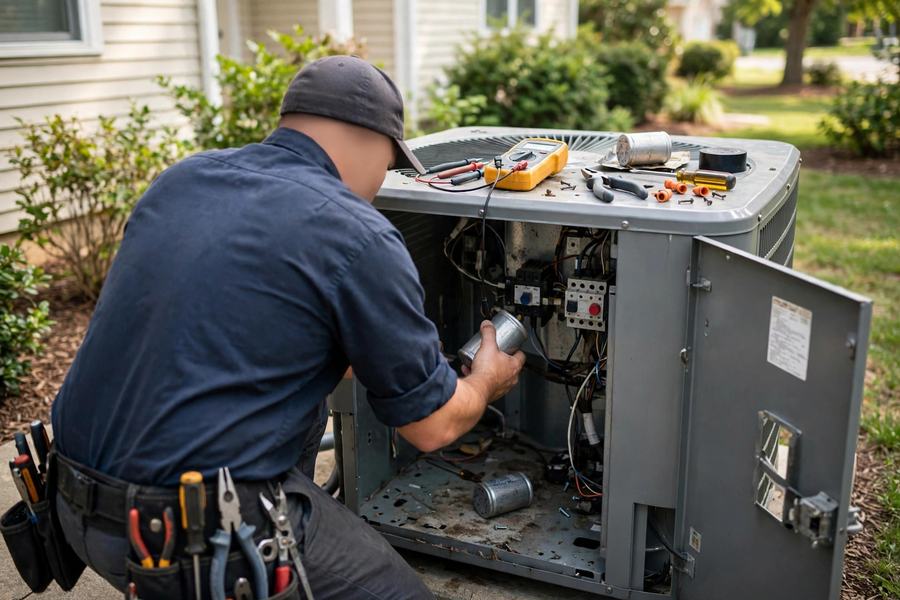
AC Repair
When a Carmel system runs all afternoon without holding temperature, the cause often hides in airflow, a tired capacitor, or refrigerant lost through a slow leak. Two-story brick homes in the master-planned subdivisions make weak cooling obvious upstairs long before the main floor complains.
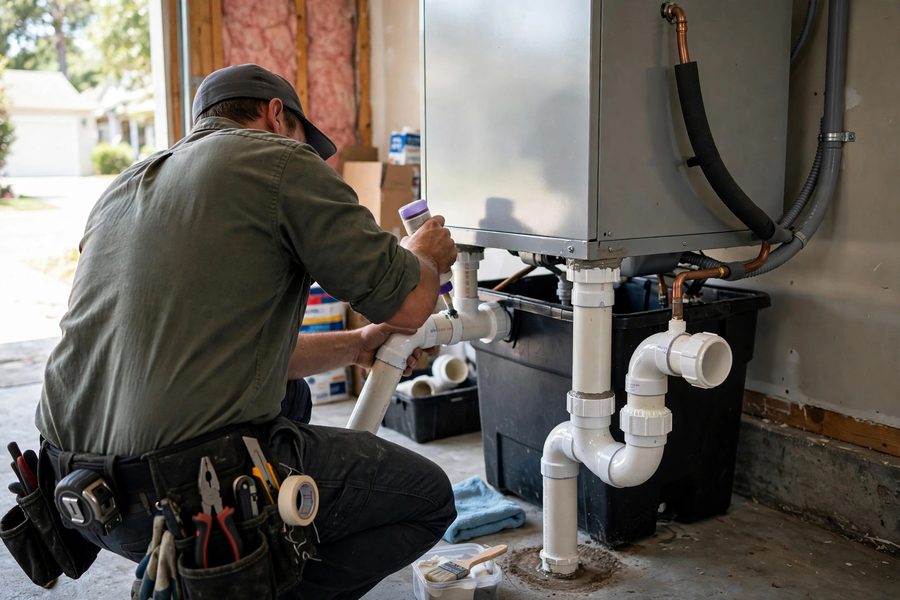
HVAC System Replacement
Replacement in Carmel should start with a load calculation matched to the actual house, not a like-for-like swap of whatever was installed when the subdivision was built. Ranch homes near the old center, creek-side estates, and large two-story plans each land at different sizes and duct needs.
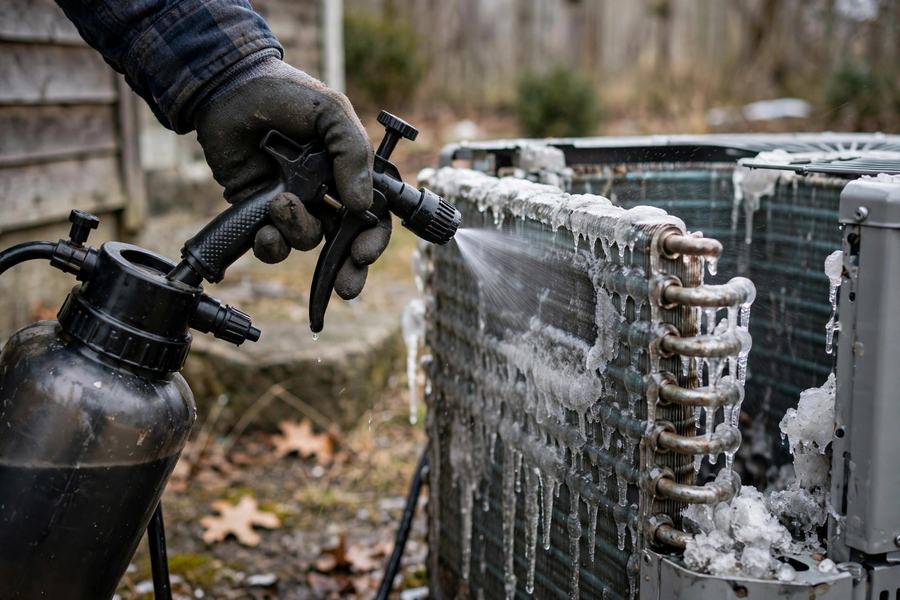
Heat Pump Repair & Installation
Heat pumps suit Hamilton County well for much of the year, paired in many homes with backup heat for the coldest weeks. Service visits check defrost behavior, refrigerant charge, and how often auxiliary heat runs, since that last item shows up quickly on winter bills.
Furnace & Heating Repair
Cold Carmel winters give gas furnaces real work, unlike mild-climate units that sit idle for months. Igniters, flame sensors filmed with oxide, and inducer motors account for most no-heat calls, and each of those findings is a part-level repair rather than a new system.
HVAC Tune-Up & Maintenance questions, answered
When is hvac tune-up & maintenance an emergency?
A tune up is planned work, best done in the shoulder weeks before the season turns, when schedules are open and findings can be acted on calmly. The exception is the condensate drain above finished space: if that pan or line has never been checked, the visit that clears it is cheap insurance against a ceiling, and it should not wait for a season boundary.
What affects the price of hvac tune-up & maintenance in Carmel?
The main price factors for hvac tune-up & maintenance are covered in the cost section above. The contractor confirms the exact price in a written estimate after seeing the job, and nothing is owed until you approve it. The call and the referral are free.
How long should an AC condenser last this close to the ocean?
In Carmel the more common version of this question involves age rather than salt air, since Indiana has no ocean exposure. Condensers here typically serve roughly 15 years, with creek-side humidity, cottonwood and debris buildup, and hard summer run hours shaping how quickly coils and cabinets deteriorate. Rinsing coils, keeping vegetation clear, and checking the cabinet during annual service help. If a quote for a Carmel home blames coastal corrosion, ask the contractor to explain, because that reasoning belongs to a different climate.
A contractor says we need a bigger system. The house is two miles from the beach. Should we?
Be cautious, and ask to see the load calculation before agreeing to larger equipment. Oversizing is a real risk in Carmel's two-story brick homes: a bigger unit cools in short bursts, shuts off before it removes much humidity, and leaves rooms feeling clammy while costing more to buy and run. Leaky ducts, undersized returns, or a tired compressor explain many hot upstairs rooms without any change in size. Proper sizing follows the calculation for your floor plan and insulation, not a rule of thumb.
My AC runs but will not cool the house. What are the usual causes in Carmel?
Start with the usual suspects, in the order technicians most often find them: a clogged filter or blocked airflow, a failed capacitor or fan part, low refrigerant from a leak, a coil frozen because of one of those problems, or ducts dumping cooled air into the attic. In Carmel's large two-story homes, weak upstairs cooling with a comfortable main floor also points to duct and return problems. Shut a frozen system off and run the fan to thaw it, and never approve a recharge without a leak search first.
Request a callback
Prefer to talk later? Leave your details and an independent local pro will call you back. No charge to you, no obligation.
Cool Creek Air is a free referral service. Submitting this form connects you with independent local contractors who provide the work.